Vitamin D Hair Loss: Can Vitamin D Deficiency Cause Hair Loss? | Daniel Alain

Hair loss can feel confusing and overwhelming, especially when you’re trying to figure out whether genetics, hormones, stress, or a vitamin deficiency could be playing a role. While conditions like androgenetic alopecia and female pattern hair loss are often linked to inherited risk factors, research also suggests that low vitamin D levels may act as an indirect contributing factor in hair thinning, hair shedding, and poor follicle health.
If your hair loss is accompanied by fatigue, muscle weakness, or bone health concerns, it may be worth exploring whether vitamin D deficiency could be affecting your overall hair health and hair growth.
If you’ve been wondering, “Can vitamin D deficiency cause hair loss?” you’re in the right place. In this article, we’ll explore the connection between vitamin D, hair follicles, and healthy hair, including how vitamin D receptors help support hair growth and new hair growth cycles. We’ll also discuss how to treat vitamin D deficiency – and when it may be time to begin medical therapy or explore recommended hair loss therapies like topical minoxidil or other options to help manage hair loss more effectively.

DOES VITAMIN D DEFICIENCY CAUSE HAIR LOSS?
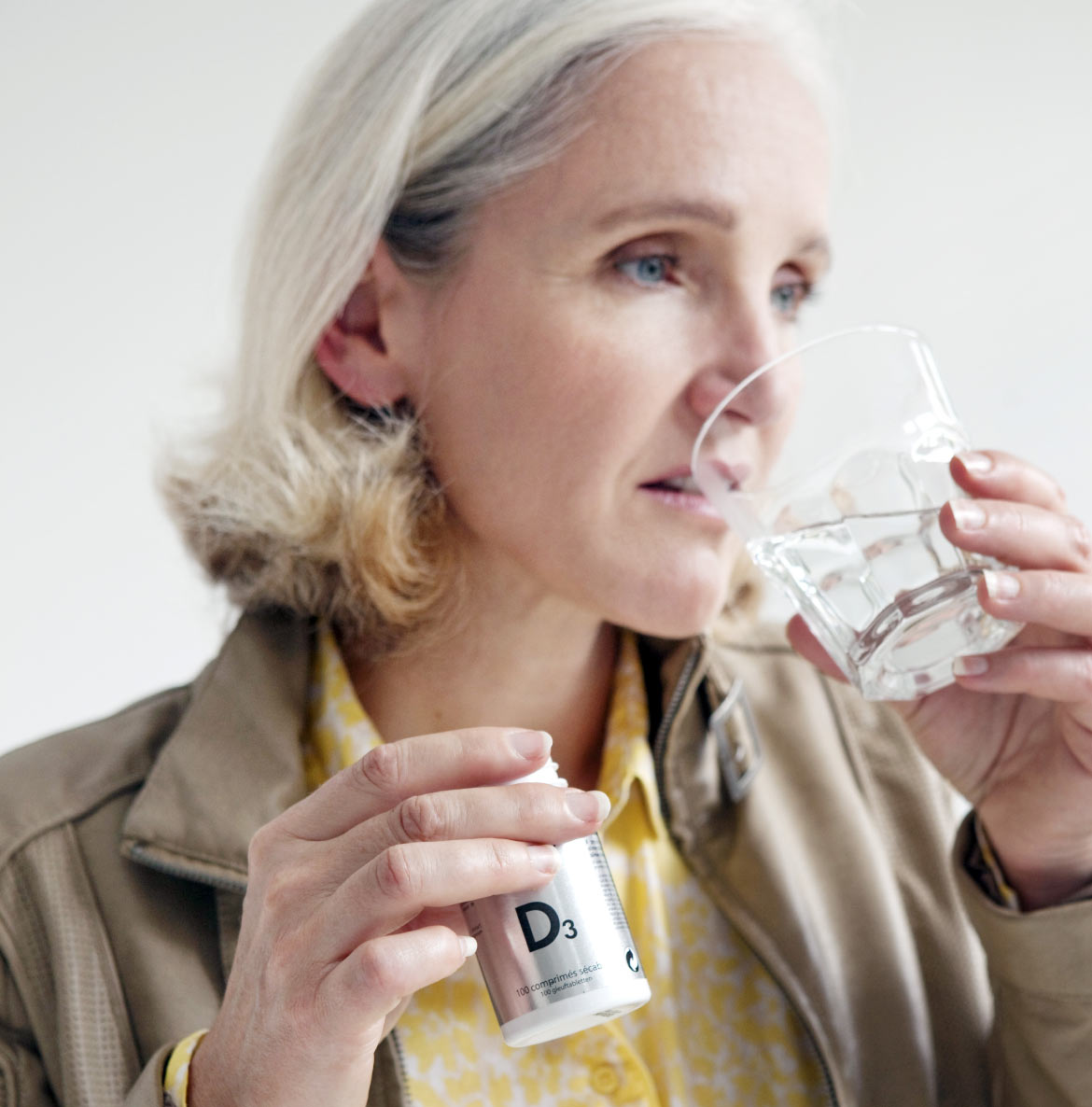
Yes, vitamin D deficiency and hair loss are closely linked, and researchers have found growing evidence that low vitamin D levels may affect hair follicles and overall hair health. Several studies have identified a connection between vitamin D deficiency and alopecia areata, an autoimmune disease where the immune system mistakenly attacks healthy hair follicles, leading to patchy hair loss and, in some cases, more severe hair shedding.
So, can low vitamin D cause hair loss on its own? The answer is complicated. Hair loss is rarely caused by a single issue, and conditions like female pattern hair loss, androgenetic alopecia, hormonal changes, stress, autoimmune disease, dietary habits, and other genetic regulatory influences can all contribute. However, severe vitamin D deficiency or consistently low serum vitamin D levels may act as an indirect contributing factor that worsens hair thinning or makes it harder for healthy hair to grow.
While researchers are still studying the exact relationship between vitamin D metabolism and hair growth, many experts now consider vitamin D supplementation and treating vitamin deficiency an important part of a broader approach to managing hair loss, particularly for patients presenting with low vitamin D levels alongside excessive shedding or autoimmune-related hair loss.
WHAT IS THE CONNECTION BETWEEN VITAMIN D & HAIR LOSS?
Vitamin D is an essential nutrient that supports many important functions throughout the body, including bone health, immune system regulation, and healthy hair growth. While it’s commonly associated with calcium absorption and human skin health, researchers have also discovered that vitamin D plays a key role in the health and function of hair follicles.
Hair growth happens in three distinct phases: anagen (active growth), catagen (transition), and telogen (resting). During the anagen phase, hair follicles actively produce new hair growth. Vitamin D receptors within the follicles help regulate this process and support normal follicle development. Some researchers believe vitamin D helps hair follicles grow and remain in the active growth stage for longer. When vitamin D levels are too low, the growth cycle may become disrupted, potentially leading to increased hair thinning, hair shedding, and slower hair regrowth.
This may help explain why studies have linked low vitamin D levels and severe vitamin D deficiency to conditions such as alopecia areata, female pattern hair loss, and androgenetic alopecia. While vitamin D deficiency and hair loss are not always directly connected, low serum vitamin D levels may be one of several risk factors that contribute to poor follicle health and difficulty maintaining healthy hair.
There is enough research to support the relationship between vitamin D deficiency and hair loss, but that does not mean more vitamin D is always better. Because vitamin D is a fat soluble vitamin, excessive vitamin D supplementation can build up in the body and become harmful. Although vitamin D toxicity is rare, severe vitamin D toxicity can cause nausea, vomiting, weakness, frequent urination, and kidney complications.
If you suspect low vitamin D may be contributing to your hair loss, it’s important to speak with a healthcare professional before starting oral vitamin D supplements or other dietary supplements treatment plans. A doctor can check your vitamin D sufficiency, evaluate your average serum levels, and help determine how much vitamin D you may need to safely treat vitamin D deficiency while supporting your overall hair health.
HOW TO BOOST YOUR VITAMIN D INTAKE
Given the state of modern life, where many people spend long hours indoors and rely heavily on processed foods, it’s no surprise that vitamin D deficiency has become incredibly common. Low vitamin D levels are linked not only to hair loss and hair thinning, but also to poor bone health, immune system dysfunction, cardiovascular disease risk factors, and fatigue. Because vitamin D is such an important nutrient for overall health and follicle health, improving your vitamin D intake may help support hair growth and healthy hair over time.
Even if you are not currently experiencing hair shedding or signs of vitamin deficiency, maintaining vitamin D sufficiency is still important for your long-term health. Here are a few ways to naturally increase vitamin D production and support healthy vitamin D levels.
Vitamin D Supplements
One of the fastest ways to treat vitamin D deficiency is through vitamin D supplements or oral vitamin supplementation. For people with severe vitamin D deficiency or consistently low serum vitamin D levels, doctors may recommend oral supplements or other dietary supplements treatment plans to help restore healthy levels more efficiently.
However, it’s important not to self-prescribe high doses without medical guidance. Because vitamin D is a fat soluble vitamin, too much can accumulate in the body and cause complications. A healthcare provider can evaluate your vitamin D levels, determine how much vitamin D you may need, and recommend a safe supplements treatment approach based on your age, body weight, dietary habits, and overall health.
Sun Exposure
Your body can naturally produce vitamin D when human skin is exposed to sunlight. In fact, sun exposure is one of the most effective ways to increase vitamin D production naturally. Research suggests that short periods of midday sun exposure may help the body produce vitamin D more efficiently because UVB rays are strongest during this time.
Aim for moderate, adequate sun exposure several times per week when possible. For many people, around 15–30 minutes of sunlight on exposed skin may help maintain enough vitamin D, although this varies depending on skin tone, location, season, and lifestyle. A short walk outside after lunch can also support overall wellbeing and stress management.
That said, balance is important. Excessive sun exposure increases the risk of skin cancer, so prolonged unprotected exposure should always be avoided.
Nutrition
Nutrition also plays an important role in supporting healthy hair and preventing low vitamin D levels. Adding more vitamin D-rich foods to your balanced diet may help improve overall hair health and support normal hair follicle function.
Some of the best dietary sources include fatty fish like salmon, tuna, and mackerel, along with fish liver oils, egg yolks, cheese, and fortified foods such as milk, cereal, and orange juice. While food alone may not fully correct severe vitamin deficiency, combining a nutrient-rich diet with healthy lifestyle habits and medical guidance can help support healthy hair growth and overall wellness.
WHAT IF VITAMIN D SUPPLEMENTS & LIFESTYLE CHANGES AREN'T ENOUGH?
While treating vitamin D deficiency can help improve overall hair health, it’s important to remember that hair loss is often complex. For some hair loss patients, increasing vitamin D levels through oral vitamin supplements, sun exposure, and dietary changes may help support hair regrowth and healthier follicles over time. But for others, especially those dealing with female pattern hair loss, androgenetic alopecia, autoimmune disease, or ongoing hair shedding, vitamin D supplementation alone may not be enough to fully manage hair loss.
In these cases, doctors may recommend combining supplements treatment with more advanced medical therapy or recommended hair loss therapies. Depending on the cause of the thinning, treatment options may include topical minoxidil, PRP therapy, surgical treatment such as hair transplantation, or other approaches designed to support follicle health and encourage new hair growth.
Use INTACT 5 Anti-Hair Shedding Treatment

When you’re experiencing excessive shedding, protecting the hair you still have can feel just as important as encouraging healthy hair growth. INTACT 5 Anti-Hair Shedding Treatment is designed to help reduce hair shedding during high-shed activities like washing, brushing, and styling by helping hair stay anchored at the root.
The formula is applied directly to the scalp before showering and is designed to help support the follicles during moments when strands are most vulnerable to falling out. For people struggling with ongoing shedding linked to vitamin deficiency, stress, hormonal changes, or other indirect contributing factors, adding a targeted topical treatment alongside broader hair loss therapies may help improve day-to-day hair retention and support healthier-looking hair over time.

Regrow Your Hair with Minoxidil
-
Minoxidil is one of the few FDA-approved hair loss solutions and for good reason. It's a powerful treatment that's resulted in some incredible mane transformations. That being said, three circumstances need to be met in order for Minoxidil to work:
-
You must have genetic hair loss (androgenetic alopecia).
-
You have to have enough SULT1A1 enzyme activity on your scalp (this is what converts Minoxidil into its active form.
-
You have to use it twice daily, every day, for the rest of your life.
-
Wear a Human Hair Wig or Topper
Waiting for your hair to grow is like waiting for paint to dry—it can be an agonizing process. To help yourself look and feel your best while you're waiting, invest in an instant hair transformation with a high-quality human hair wig or topper.
These luxury pieces can be cut and colored to match your current style and give you the confidence boost you need while your own hair regains its strength.
Before you embark on your wig search, here are a few factors to look for in the perfect human hair wig or topper:
-
Choose premium 100% European, Remy or Virgin hair for the most natural looking hairpiece
-
Shop from brands that are transparent about their sourcing methods for collecting hair.
-
Look for brands with real customer reviews and testimonials that offer social proof that their product is high-quality and worthy of your investment.
-
Don’t be afraid to ask questions and ensure your needs are met. Buying a hairpiece is an extremely personal process that must take into account your lifestyle and preferences.
We’ve been manufacturing the world’s highest quality wigs for 30 years, and are proud to meet all of the above qualifiers. Click here to browse Daniel Alain's collection of premium human hair wigs and toppers.
Download the Ultimate Wig Buying Guide

STOP VITAMIN D HAIR LOSS IN ITS TRACKS AT daniel alain
At Daniel Alain, we believe that the ability to take control of your hair loss should be accessible to everyone. That's why we've developed a range of treatments and products to help you stop vitamin D-related hair loss in its tracks—no matter how severe your hair loss is.
Our INTACT 5 Anti-Hair Shedding Treatment is an easy-to-use formula that grips your follicles at the root for up to 77% less shedding (without any harsh chemicals).
Don't want to wait months to see results? Our human hair wigs and toppers can give you an instant confidence boost while you wait for your own hair to regrow. Whichever route you choose, Daniel Alain has the perfect solution for hair loss caused by vitamin D deficiency.
Get started on your path to stronger, thicker hair today by scheduling a free consultation with one of our hair experts. We'll help you find the perfect solution to combat your vitamin D deficiency-induced hair loss and give you all of the tools and support you need for a successful journey.
Get started on your path to stronger, thicker hair today by scheduling a free consultation with one of our hair experts. We'll help you find the perfect solution to combat your vitamin D deficiency-induced hair loss and give you all of the tools and support you need for a successful journey.
book a free consultation
Our stylists will help you find the right hair loss solution just for you

Frequently Asked Questions
Will My Hair Grow Back After Vitamin D Deficiency?
The most common symptom of vitamin D deficiency hair loss is thinning or patchy bald spots on the scalp, as well as other parts on your body. You'll also likely experience fatigue, muscle weakness, bone pain, low mood, and possibly even depression.
Can Low Vitamin D Cause Hair Thinning?
Yes—low levels of vitamin D can cause your hair to become thin and brittle, leading to breakage. Additionally, vitamin D affects the growth cycle of your hair follicles, so a deficiency can interfere with new hair growth.
Does Vitamin D Improve Hair Growth?
Yes, but only if you're deficient in vitamin D. This vitamin plays a key role in stimulating hair follicles, so if you're not getting enough of it, your hair won't be able to grow as effectively. But if you are getting enough vitamin D, increasing your intake will likely not make much of a difference in terms of hair growth.
How Much Vitamin D Should I Take for Hair Loss?
The optimal daily dose of vitamin D for adults up to 70 years old is 600 IU (or 15 mcg). If you're over 70, that increases to 800 IU. The amount of vitamin D you need will depend largely on how deficient you are in the vitamin, so it's best to consult your doctor for a tailored recommendation.
How Long Does it Take for Vitamin D to Improve Hair Loss?
It can take anywhere from 6 weeks to 6 months for your hair to regrow after restoring vitamin D levels to a healthy range. However, it's important to note that vitamin D alone may not be enough to reverse your hair loss. You should also consider other lifestyle changes and treatments in order to see the best results.
What are the Main Causes of Vitamin D Deficiency?
Most people experience a vitamin D deficiency simply because they're not getting enough of the nutrient in their diet and/or they're not spending enough time outside. Other causes can include weight loss surgeries, digestive issues that interfere with nutrient absorption, and certain medications.
What are Other Vitamin D Deficiency Symptoms?
In addition to hair loss, vitamin D deficiency can cause fatigue, muscle weakness, bone pain, low mood, and depression. You may also experience frequent illnesses, bone loss, weight gain, and anxiety.
What Other Vitamin Deficiencies Cause Hair Loss?
In addition to vitamin D, there are only four other vitamin deficiencies that can cause hair loss: riboflavin, biotin, folate, and vitamin B12. However, when your body is lacking in any kind of vitamin or mineral, it can go into fight-or-flight mode and stop "wasting" precious energy on nonessential functions like hair growth.
Can Too Much Vitamin D Cause Hair Loss?
There's no evidence that too much vitamin D can cause hair loss. Symptoms of vitamin D toxicity include nausea, vomiting, and frequent urination. If you suspect you may be taking too much vitamin D, speak to your doctor immediately.
Is There a Way to Immediately Stop Hair Loss From Low Vitamin D?
Unfortunately, stopping vitamin D hair loss takes anywhere from six weeks to six months before it can be fully reversed. However, using Daniel Alain's INTACT 5 Anti-Hair Shedding Treatment locks in those precious strands and prevents them from falling out during high-shed activities like brushing, washing, and styling. Click here to learn more.
Does INTACT 5 Contain Vitamin D?
No, INTACT does not contain vitamin D. However, its potent combination of our patented PiliLock Sevilla Orange Complex and niacinamide (B3) is clinically proven to reduce hair shedding by up to 91%. And best of all, you'll notice fewer strands falling out after just one use. Click here to grab your bottle of INTACT 5 today!
Is INTACT 5 Safe to Use on My Hair?
Yes! INTACT 5 is free of sulfates, parabens, silicones, oils, SD-alcohol, artificial dyes, and gluten. It's also vegan-friendly and safe for color-treated hair.
Does INTACT 5 Regrow My Hair?
No—INTACT is not meant to regrow hair. It's designed to reduce shedding, so you can keep the strands you already have. The gripping effect it has on your hair follicles also helps to lift the cuticle and make your hair appear fuller.
Does Minoxidil Actually Work to Regrow Hair?
Yes—but only on a portion of the population. Minoxidil is FDA-approved to only treat those suffering from male-pattern baldness and female-pattern hair loss, but not other forms of alopecia. On top of that, researchers recently discovered that you need a certain amount of SULT1A1 activity on your scalp to convert Minoxidil into its active form.
Why Doesn't Minoxidil Work for Everyone?
It depends on the type of alopecia you have and the amount of SULT1A1 activity on your scalp. If you don't have genetic alopecia or enough SULT1A1 activity, Minoxidil won't work for you.