5 Common Wig Fitting Problems and How to Fix Them

Is your wig sitting a little off, or does it start to itch at the worst possible moment? Whether you’ve just bought your first wig or you’ve been dealing with the same issues for a while, wig fitting problems can be frustrating. When you’re already coping with hair loss, your wig should help you feel confident, not add to your worries.
Quick answer: The five most common wig fitting problems are a wig that feels too tight, a wig that feels too loose, an unnatural-looking hairline, too much shine and an itchy scalp. Most can be fixed with a few simple steps. You can adjust the straps at the back of the cap, add a velvet wig grip for a secure fit, soften the hairline with baby hairs, choose human hair over synthetic fibers and keep both your scalp and your wig clean. The easiest fix of all is starting with the right size.
At Daniel Alain, we’ve spent over 20 years helping women find their perfect wig, and we’ve seen (and solved) almost every wig problem you can imagine. Below, we explain how to spot each issue, why it happens and what you can do about it, with tips from real Daniel Alain customers along the way.

PROBLEM #1: YOUR WIG FEELS TOO TIGHT
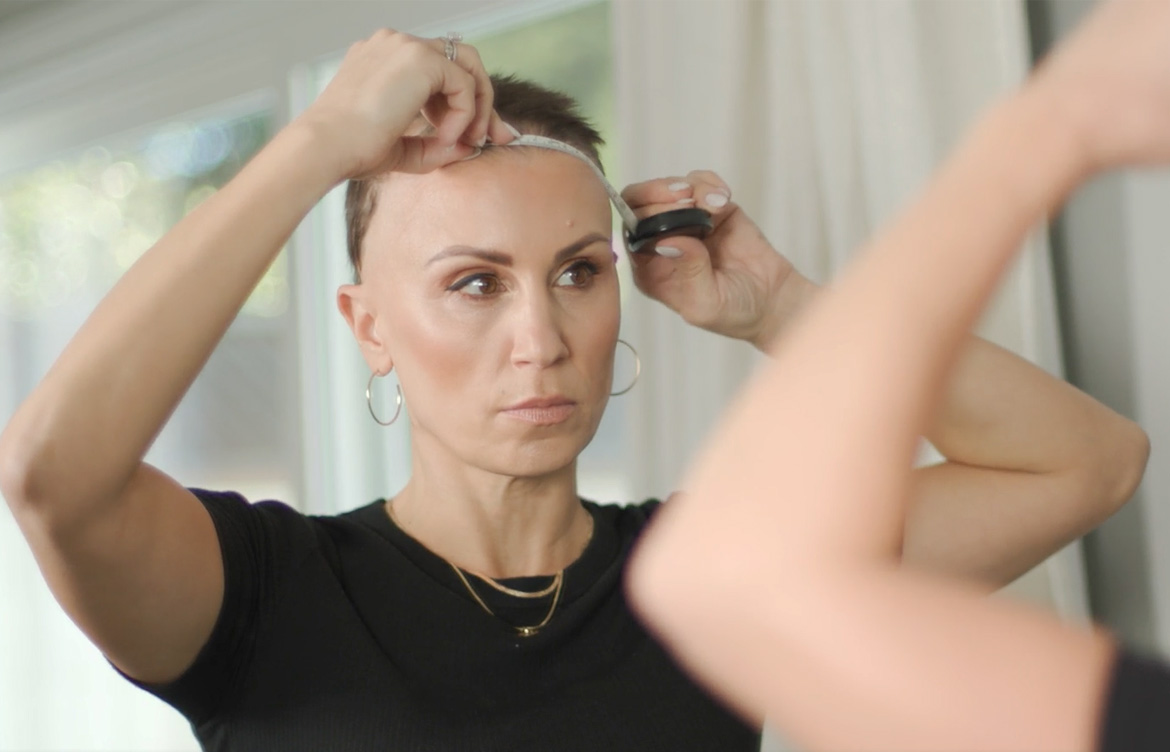
A wig that’s too tight isn’t just uncomfortable. It can cause tension headaches and leave red marks on your skin. Your wig should feel snug and secure, but it shouldn’t press on your head.
How to Tell If Your Wig Is Too Tight
You’ll usually feel it. Common signs include:
-
Constant pressure, especially after wearing your wig for a few hours
-
Indentations or red marks at your temples, around your ears or along the nape of your neck
-
Headaches by the end of the day
-
The wig sliding back off your hairline, or ear tabs that don’t reach your temples
How to Fix a Wig That Feels Tight
-
Loosen the straps. Most wigs come with adjustable straps or tabs at the back of the cap. Loosen them a little at a time until the wig feels comfortable but still secure.
-
Flatten your own hair. If you have hair underneath, bulk can make your wig feel tighter. A thin nylon or mesh wig cap helps flatten your hair and gives you a smoother base.
-
Check your size. If the wig still feels tight, it may simply be too small. One size doesn’t fit everyone. To measure, wrap a soft tape measure from your front hairline, behind your ears, around the nape of your neck and back to the front. If you fall between two sizes, it’s usually best to size up.
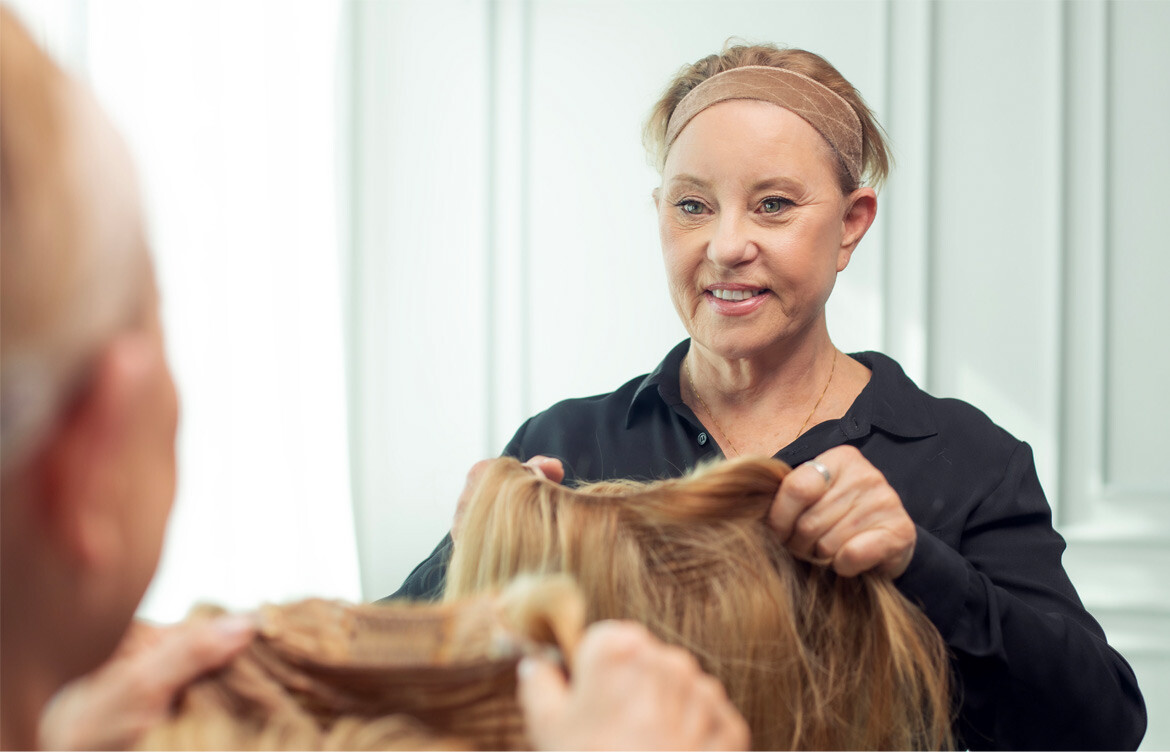
The easiest way to get your wig fitting right from the start is to work with an expert. Daniel Alain customer Merritt recommends booking a consultation:
“My consultant was so patient. She explained everything to me and we measured my head. She brought out just the right fits for me. I wouldn’t have found the perfect wig without her.”

PROBLEM #2: YOUR WIG FEELS TOO LOOSE

A loose wig can leave you feeling unsure all day. Many of our customers hike, dance, practice yoga or ice skate in their wigs, and none of that is fun if you’re worried your wig might move or slip off.
Daniel Alain customer Sally knows how different a good fit feels: “My wig just molds to my head like a glove. It’s like it was meant to be.”
Whether it’s a windy day, you’re bending down to tie your shoes or you’re leaning in for a hug, a secure fit lets you forget you’re even wearing a wig.
How to Tell If Your Wig Is Too Loose
-
It shifts around on your head or feels like it might slide off
-
It gaps around your ears or at the nape of your neck
-
There’s extra bulk or puffiness at the crown
How to Fix a Wig That Feels Loose
-
Tighten the straps. Adjust the straps or Velcro tabs at the back of the cap for a snugger fit around the edges of your wig.
-
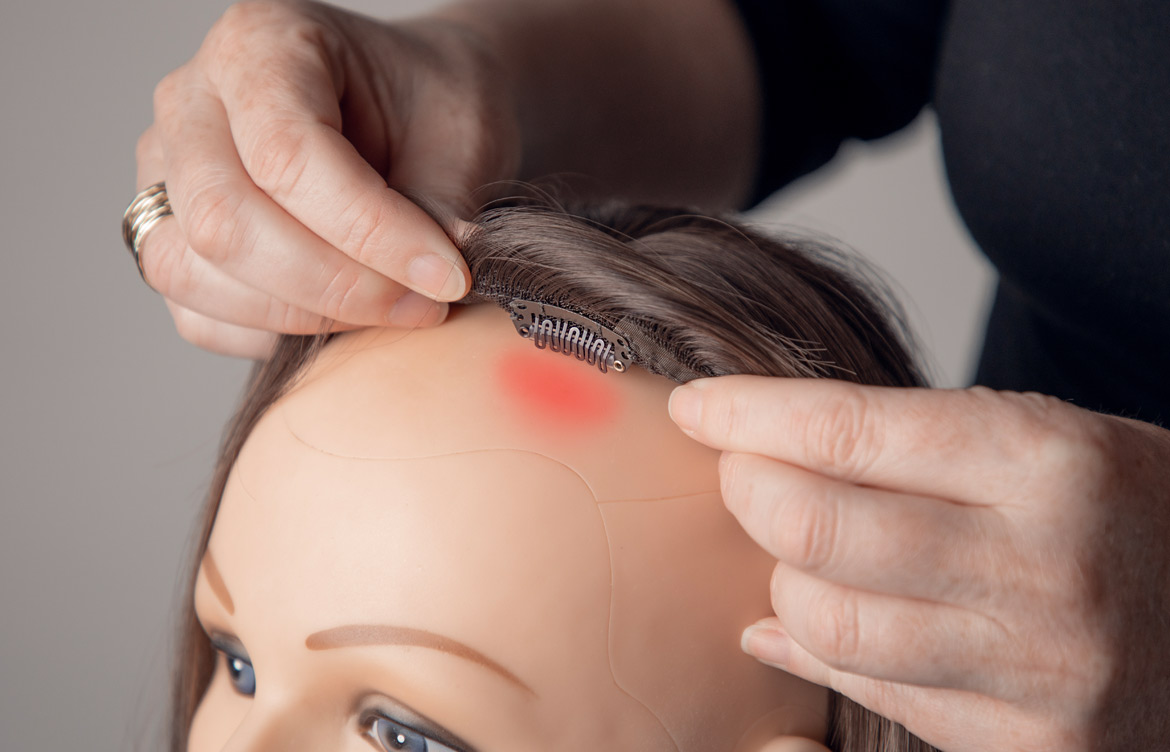
Add a wig grip. A velvet wig grip wraps around your head and fastens with Velcro. The soft velvet creates a non-slip layer between your head and the wig, so it stays in place, often without needing glue or tape. Silicone grips work the same way.
-
Sew in small clips. Clips sewn inside the cap can snap onto your own hair or your wig grip to hold the wig more firmly.
If your wig still moves after these steps, it may be too large. A consultant can help you find a better fit.
Problem #3: Your Wig Has an Unnatural Front Hairline
Daniel Alain customer Mirna uses this trick every day:
“I like to add a little bit of stronghold hairspray to my front hairline, just for extra security. This little trick gives me the comfort of knowing that my wig is not going to come off. To apply the hairspray, I apply a little bit to my fingertips and then tap it onto the front hairline. Then I put my wig on as it gets tacky. It stays put the whole day.”
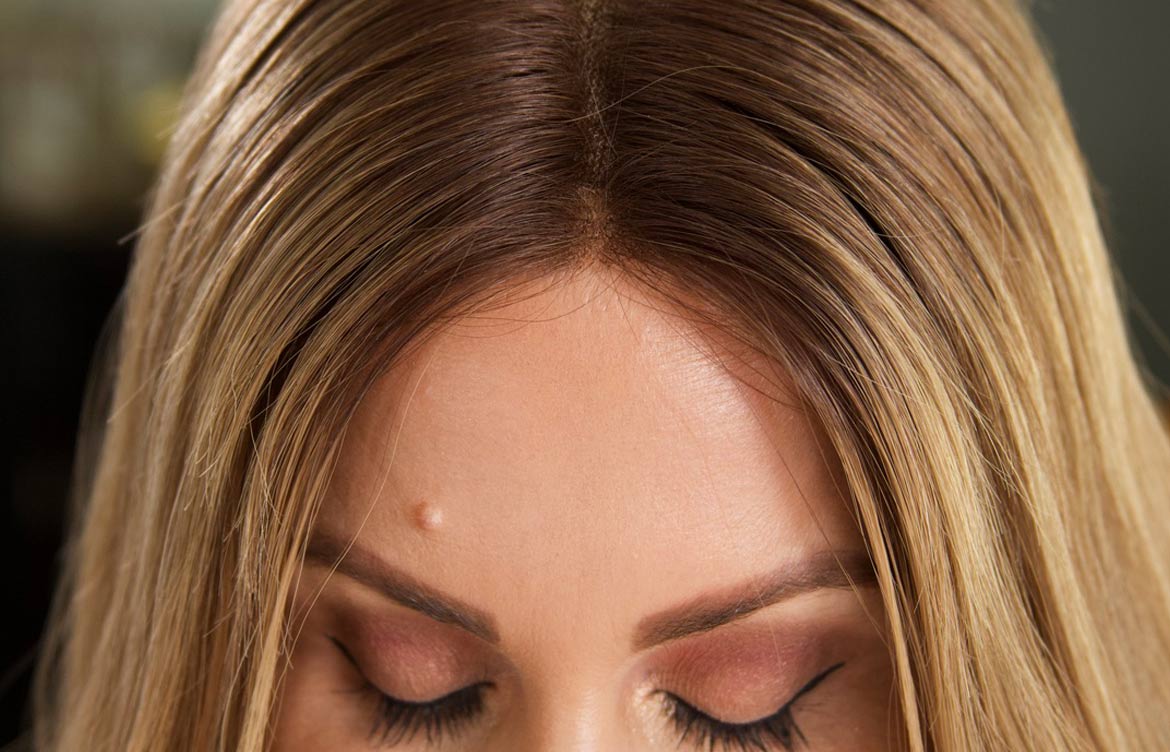
When you choose a wig, you want it to help you feel like yourself again. If the hairline looks too straight or too thick, it can draw attention instead of blending in, and that can leave you feeling self-conscious.
How to Tell If Your Wig’s Hairline Looks Unnatural
-
Compare old photos. If you have them, look at photos of your natural hairline from before your hair loss. Does the wig’s hairline have similar shapes and curves?
-
Ask someone you trust. A supportive friend or family member can tell you honestly whether the wig looks like your own hair.
-
Look closely at the edge. A hairline that’s very straight, very dense or has visible lace can look unnatural.
How to Fix an Unnatural Hairline
-
Add baby hairs. A professional stylist can add or create baby hairs, the short, fine hairs along the front of the hairline. These soften the edge of a lace front so it blends more naturally with your skin.
-
Use a little hairspray. A light touch of strong-hold hairspray can help keep a lace front in place. Use only a small amount, since too much can build up and make the hairline look stiff.
-
Handle the hairline gently. When you wash your wig, avoid scrubbing the front, and detangle with a wide-tooth comb. This protects the lace and the hair along the edge.
If you’re shopping for a new wig, look for a lace front wig. Each hair along the hairline is hand-knotted into sheer lace, so it looks like it’s growing from your scalp. A wig with both a lace front and a monofilament top looks the most natural, because the hair can be parted and styled in any direction.
Problem #4: Your Wig Doesn’t Sit Flat
If your wig looks bumpy or raised around the crown, it can be frustrating, especially if this is your first wig and you’re unsure what’s causing it. Even when your wig feels secure, the way your natural hair sits underneath can affect its shape and appearance.
How to tell if your wig isn’t sitting flat
Look for uneven bumps, bunching around the nape, or areas where the wig cap lifts away from your head. Check that the wig sits evenly near each ear and, if it has a lace front, that the lace lies smoothly along your hairline.
What can you do about it?
Start by checking your natural hair underneath the cap. A bulky bun or overlapping braids can create raised areas. Try a flatter style, such as loose braids arranged evenly against your head, rather than gathering all your hair in one place. For shorter hair and flyaways, use a light gel or mousse to gently smooth your hair back.
Next, check the wig’s positioning. If the adjustable straps feel overly tight or cause the cap to bunch, loosen them slightly and reposition the wig. Make small changes throughout this process, checking both comfort and appearance as you go.
If the wig still won’t sit flat, the cap size or wig cap construction may not suit your head shape. Rather than repeatedly adjusting the styling to hide the bumps, arrange a professional wig fitting. A specialist can check the size and fit and help you understand whether the wig cap needs an adjustment.

Problem #5: YOUR WIG FEELS ITCHY
An itchy scalp can make wearing a wig uncomfortable, especially if you wear it for long hours. Itching is more common with low-quality or synthetic wigs made with scratchy materials, but sweat, product buildup and a poor fit can also play a part.
How to Tell If Your Wig Is Causing Itching
Itching is hard to miss, but it can also become a habit you barely notice. If you often scratch under your wig or can’t wait to take it off at the end of the day, the cap material or the fit may not be right for you.
How to Fix an Itchy Wig
-
Keep your scalp and hair clean. Even when it’s covered, wash your own hair and scalp regularly. A clean scalp is less likely to feel irritated.
-
Wash your wig regularly. Product residue, sweat and everyday wear can build up inside the cap. Wash your wig according to its care instructions to keep it fresh.
-
Check the fit. A wig that’s too tight can rub, and one that’s too loose can shift and cause friction. Both can lead to irritation.
-
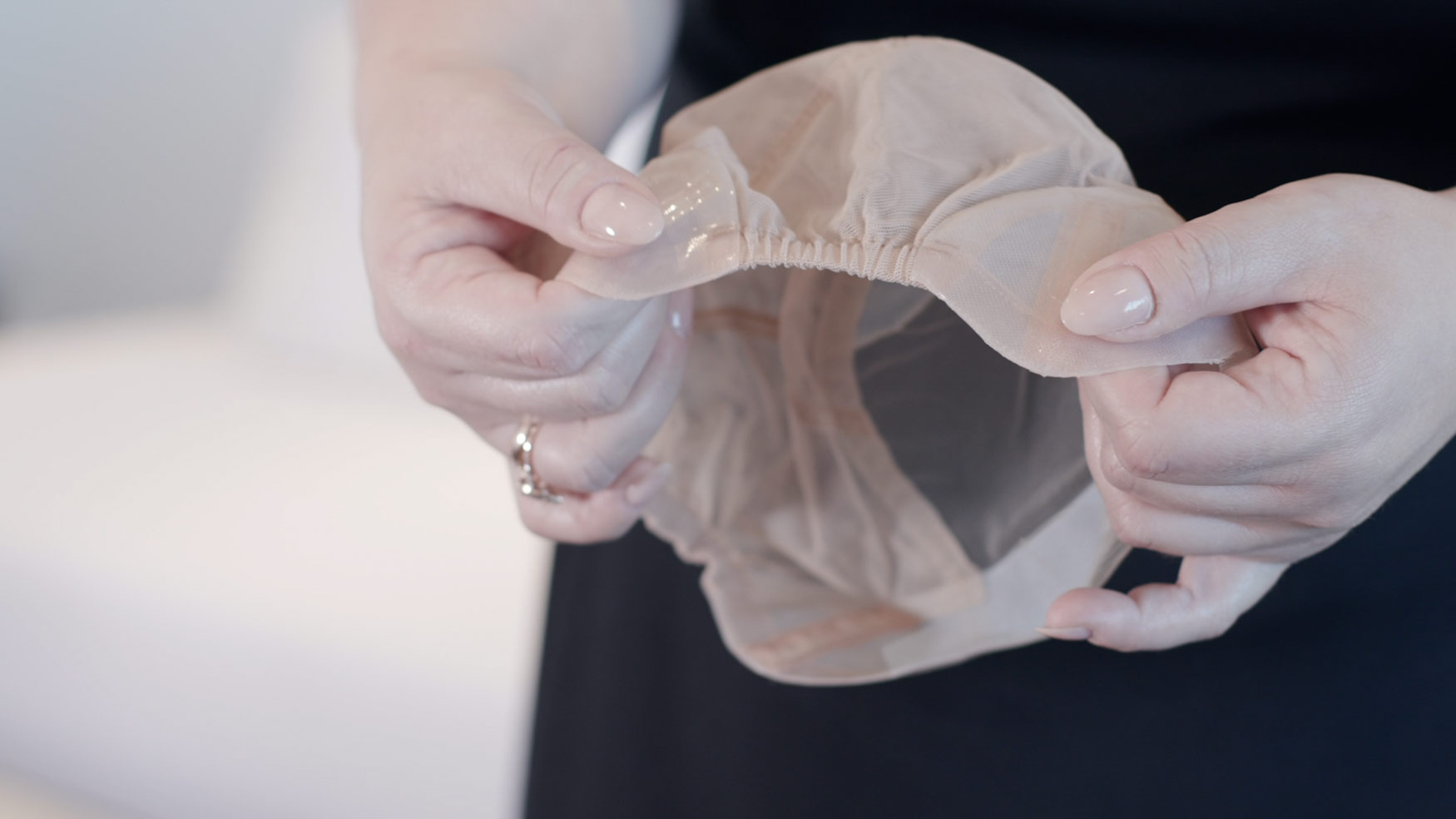
Choose a soft, breathable cap. If you have sensitive skin, the cap makes a big difference:
-
Hand-tied caps are made with a soft, stretchy lace base, so they feel lightweight and gentle on your scalp.
-
Monofilament tops use a sheer, breathable mesh that’s soft against the skin.
-
Traditional and capless (open cap) wigs have an open back or open wefts that let air flow, which helps reduce sweat.
All Daniel Alain wigs are made with soft, high-quality lace caps that are gentle on sensitive skin. If you’re not sure which cap is right for you, our consultants can help.
How can I ensure my wig looks and feels as natural and comfortable as possible?
Most wig fitting problems come down to a few things: the right size, the right cap and a little regular care. Whether you’ve just bought your first wig or you’ve worn wigs for years, you now know how to spot the most common issues and fix them with a few simple steps.
For more tips on finding a wig that feels good all day, read our guide to the most comfortable wigs to wear.
If your wig still doesn’t feel quite right, or you have a question we haven’t covered, our consultants are here to help. They can measure your head, recommend the right size and cap, and make sure your Follea looks and feels just right.


 Call Us
 Showroom