How Should I Wear My Natural Hair Under a Wig?

Wondering how to wear your natural hair under a wig so it looks smooth and feels comfortable? If your hair is thinning or changing, are you also worried about putting extra strain on the hair you have?
The short answer is that you can leave some natural hair visible and blend it with your wig, or tuck it all underneath. The best approach depends on your hair’s length, thickness, and texture, the wig’s construction, and what feels comfortable on your head. If you tuck it away, aim for an even, flat foundation without tight styles that pull at your scalp.
At Daniel Alain, our consultants help people with different amounts of natural hair discover a wig and a way of wearing it that works for them. This guide will help you find a comfortable way to arrange your natural hair, whether you want to hide it completely or leave a little visible. We’ll explain how to tuck long hair under a wig, when blending works well, and how a wig grip and gentle hair care can help.

Can you Wear Your Natural Hair Down While Wearing Wigs?
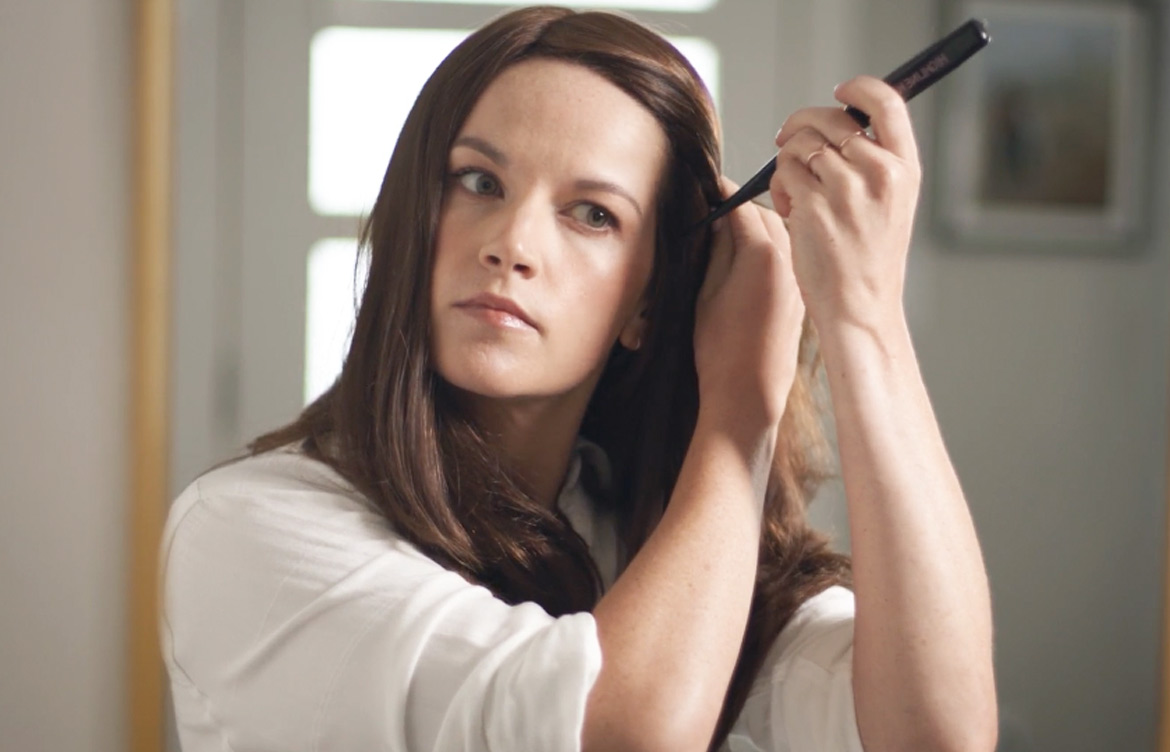
Yes, you can leave your natural hair down while wearing wigs, provided it does not interfere with the fit. This may work well if you still have longer hair around the sides or back of your head and would like to blend it with the wig.
When the color, texture, and length are similar, your natural hair and wig hair can fall together for a fuller look. If they differ noticeably, you may find that blending takes more styling than tucking everything away.
Start with a few strands and check the result from the front, sides, and back. Pay attention to the nape, where your own hair may be more visible when you turn your head or lift the wig hair.
Can You Leave Your Own Hair Out Around a Lace-Front Wig?
With a lace-front wig, the lace sits at the front hairline, so you would not typically pull your natural hair through it. Depending on the wig’s construction and fit, you may be able to leave a few strands visible at the sides or above the ears, where the lace front ends.
This can soften the transition between the wig and your face, particularly when you wear the wig hair pulled back. Keep the amount small at first, and avoid tugging at fragile hair to achieve the look.
The point is to find an arrangement that feels comfortable and is easy to repeat. You can also blend your hair on some days and tuck it away on others.
How Should You Tuck Natural Hair Under a Wig?
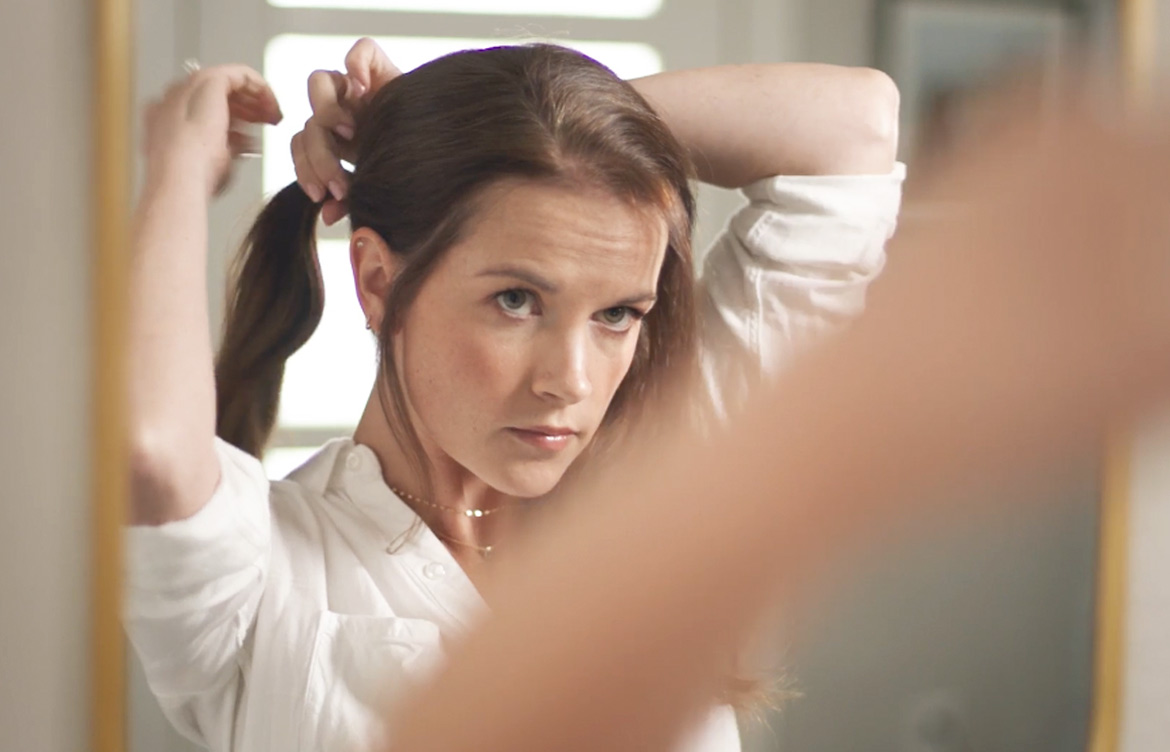
To hide your natural hair, arrange it close to your head and spread it evenly underneath the wig. Loose braids, flat twists, or small, flat buns can work, depending on your hair’s length and texture.
If you have a lot of hair, this preparation may take a bit of practice. You might need to try several arrangements before finding one that gives you a smooth shape without uncomfortable pressure.
Avoid gathering all your hair into one thick bun. That can create a raised area beneath the wig and affect how it sits. Instead, distribute the hair around the back and sides of your head.
Your strands should feel secure, but the braids, twists, or pins should not pull at your hairline or press against your scalp as this can damage your natural hair.
How to wear a wig with long hair
Try this simple approach, adjusting it for your hair’s thickness and texture:
-
Start with clean, dry hair and gently detangle it. If your hair needs conditioning or a light leave-in product, use one that suits your hair and scalp; avoid heavy buildup underneath the wig.
-
Part your hair into two or more sections. Make loose, low braids or twists that stay close to your head. If a braid pulls at your edges or feels sore, loosen it or choose a different arrangement.
-
Lay the braids or twists flat around the back and sides of your head, spreading the length rather than stacking it in one spot. Tuck the ends with bobby pins if needed, being sure no pin touches or pokes your head.
-
If you use a wig grip, put it on gently and tuck in any loose strands. Put on the wig and check the shape from the front, sides, and back. Redistribute any bumps before adjusting the wig’s fit.
For very thick or long hair, more sections may create a flatter result than two. Our customer Kelly tucks her long hair away by dividing it into two low pigtails and twisting them into flat buns beneath her wig. This is another option to try, as long as the buns sit flat and do not create pressure.
How to Wear a Wig With Short or Thinning Hair
Short hair may need very little preparation. You may be able to smooth it gently into place and tuck any visible strands beneath the wig.
If your hair is too short or sparse to braid, there is no need to force it into a style. Focus on arranging it comfortably and checking the wig’s fit. Avoid fastening clips to fragile or thinning areas.
For uneven hair loss, a wig specialist can help you work around areas where you have more hair without putting pressure on sensitive spots.
Could a Wig Grip Help Keep Your Wig in Place?
A wig grip is a soft velvet band worn around your head underneath the wig. It usually fastens at the nape with Velcro. The texture, or nap, of the velvet creates friction against the underside of the wig cap, helping to keep the wig from sliding forward or backward. It can provide extra security without attaching clips to your natural hair or using adhesive.
A wig grip may be especially useful if your hair loss and regrowth are unpredictable. As the amount of hair underneath your wig changes, the fit can change too. A wig grip may help accommodate small fluctuations in measurements, although it cannot make a wig that is substantially too large or too small fit correctly.
If you plan to wear a wig grip regularly, have your wig fitted while wearing it. The wig grip should feel secure but not tight; if it puts pressure on your head or hairline, ask your wig consultant to check the fit.
How can Wig Wearers Protect Their Hair and Scalp?
Tight braids or buns that pull repeatedly on the same area can contribute to traction alopecia, a form of hair loss caused by ongoing pulling. Pain, tenderness, broken hairs, or a changing hairline are reasons to loosen the style and seek advice from a specialist if the problem persists. Avoid fastening clips to sparse or fragile hair.
Keep up a hair care routine that works for your hair type, scalp, activity level, and any treatment you are receiving. Cleanse when your hair and scalp need it, condition the lengths as appropriate, and let your hair dry before covering it. There is no universal rule to wash every two or three weeks.
A wig can reduce how often you heat style or manipulate your natural hair, if that is how you use it. It does not make follicles grow faster or treat the cause of hair loss. If you are dealing with new thinning or a sensitive scalp, comfort and an individualized care plan matter more than any single “protective style.”
How do you choose the right wig?
A wig specialist can help you choose a size and style based on the hair you have now and how you plan to wear it. At Daniel Alain, our consultants can take accurate head measurements, then assess the fit with your natural hair arranged the way you expect to wear it, whether that means leaving some hair loose or tucking it all underneath.
It also helps to talk about whether your hair loss is likely to change. If you expect to lose more hair or are beginning to experience regrowth, the amount of hair beneath your wig may change over time. A specialist can help you consider how that could affect the fit, explain when to have it checked again, and advise whether a wig grip would be useful. If you plan to wear one, get measured and fitted with the grip in place.
The right wig should feel secure and be easy to wear as part of your everyday routine. You should be able to arrange your natural hair without pulling at your scalp or forcing the wig into position.
Consider Comfort and Confidence When Deciding How to Wear Your Hair
After reading this article, you may be wondering: so how should I wear my hair with my wig? The answer to this question depends primarily on what will make you feel the most comfortable and confident.
You should consider wearing your hair up if you…
- Have a natural hair texture or color that differs from your wig
- Want less hair on your neck
You should consider keeping your hair down if you…
- Want a fuller look
- Don’t want to add to your styling routine
If you’re still not sure, give each a try and see which feels better. After all, you’re the one who will be wearing your wig and wants to make sure you feel like your best self.
Now that you have a better understanding of how to wear your natural hair with a wig, you may want to consider investing in a high-quality human hair wig. Daniel Alain offers an array of wigs designed to meet the needs of any customer. If you’re interested in learning more about what Daniel Alain has to offer, book a consultation to speak with one of our expert consultants who can guide you to the right hairpiece for you.
Frequently Asked Questions
Is it better to braid or put long hair in a bun under a wig?
Either can work if it lies flat and does not pull. A single thick bun often creates a bump, while two or more loose braids or twists can spread the hair more evenly. Try the finished style under your wig and adjust any spot that feels sore or looks raised.
Can I leave my natural hair out at the front?
Yes, if the wig allows it and the exposed hair blends in the way you like. Use only as much hair as you need and avoid tugging at a thinning hairline to create the look. You can tuck it away on days when blending requires too much styling.
Does wearing a wig help my natural hair grow?
A wig can let you style the wig instead of applying heat or color to your own hair. It does not stimulate hair growth. Your hair and scalp still need gentle care, and a dermatologist can help if you are concerned about ongoing loss.

 Call Us
 Showroom