Can You Sleep in a Wig And Other Frequently Asked Questions

New to wearing wigs and not sure where to start? You’re not alone. One of the most common questions our consultants hear is: can you sleep in a wig?
The short answer: we don’t recommend it. When you sleep in a wig, it rubs against your pillow all night. That friction causes tangling, matting and breakage, and it can shorten your wig’s lifespan a lot. It also traps heat and sweat against your scalp, which can lead to irritation and other scalp health concerns. Taking your wig off before bed is the best way to protect both your scalp and your investment.
Many people still do it. In fact, 78% of wig users say they sometimes sleep in their wigs, usually for convenience or comfort. That’s why it’s worth knowing what happens to human hair wigs and synthetic wigs when they’re worn overnight. Below, we explain the risks and share proper care tips for your bedtime routine. We’ll also cover comfortable alternatives, like silk scarves and sleep caps, that help you feel covered at night.
We’ll also answer other questions new wig wearers often ask, like whether you can swim in a wig and how to store it properly. Along the way, you’ll hear advice from real women who wear wigs every day.

CAN YOU SLEEP IN A WIG?
We recommend that you don’t sleep in your wig. Stylists agree: 92% recommend against sleeping in wigs because it shortens their lifespan and wears down their quality. If you’ve chosen to invest in a high quality wig, taking it off at night is one of the easiest ways to protect that investment.
Why We Don’t Recommend Sleeping in a Wig
You move around a lot while you sleep. Every time you turn, your wig rubs against your pillow, and that friction adds up quickly. Here’s what can happen:
-
Tangling and matting: Rubbing against your pillow creates knots and tangles, especially in longer wigs. Synthetic wigs are especially prone to this. They can show visible damage after just 3 to 5 nights, including permanent matting that can’t be brushed out.
-
A shorter lifespan: Regular overnight use stresses the hair fibers and stretches the cap. Human hair wigs can lose up to 40% of their life when they’re worn to bed regularly. This happens because friction strips away moisture and damages the hair’s cuticle, which leads to dryness and breakage.
-
Loss of shine and softness: Constant friction against cotton pillowcases and bedding dulls the hair and roughens its smooth texture. Over time, your wig starts to look less natural.
-
Scalp health concerns: Wearing a wig all day and all night limits airflow, so heat, sweat and natural oils get trapped against your skin. This sweat buildup can lead to irritation, allergic reactions and fungal infections. It can also cause folliculitis, an inflammation of the hair follicles.
-
Pulling and discomfort: Clips, combs, glue and tight bands put pressure on your scalp and hairline. Over many nights, this constant pulling can cause discomfort and headaches. It can even cause traction alopecia, a type of hair loss caused by repeated tension on your natural hair.
"Every night, I have a ritual where I remove my wig and gently brush it through," shares Merritt who has been wearing a Follea human hair wig for a couple of years. "This ensures my wig is free from tangles and ready for the next day. It's a small task that makes a big difference in maintaining my wig. My oldest wig still looks as good as new!”

A Simple Nighttime Routine for Your Wig
Proper care at night helps preserve your wig’s style, softness and longevity. Try building these steps into your evening:
-
Brush it out gently: Remove any tangles or knots before bed with a wig-friendly brush or comb. Start at the ends and work your way up to avoid breakage.
-
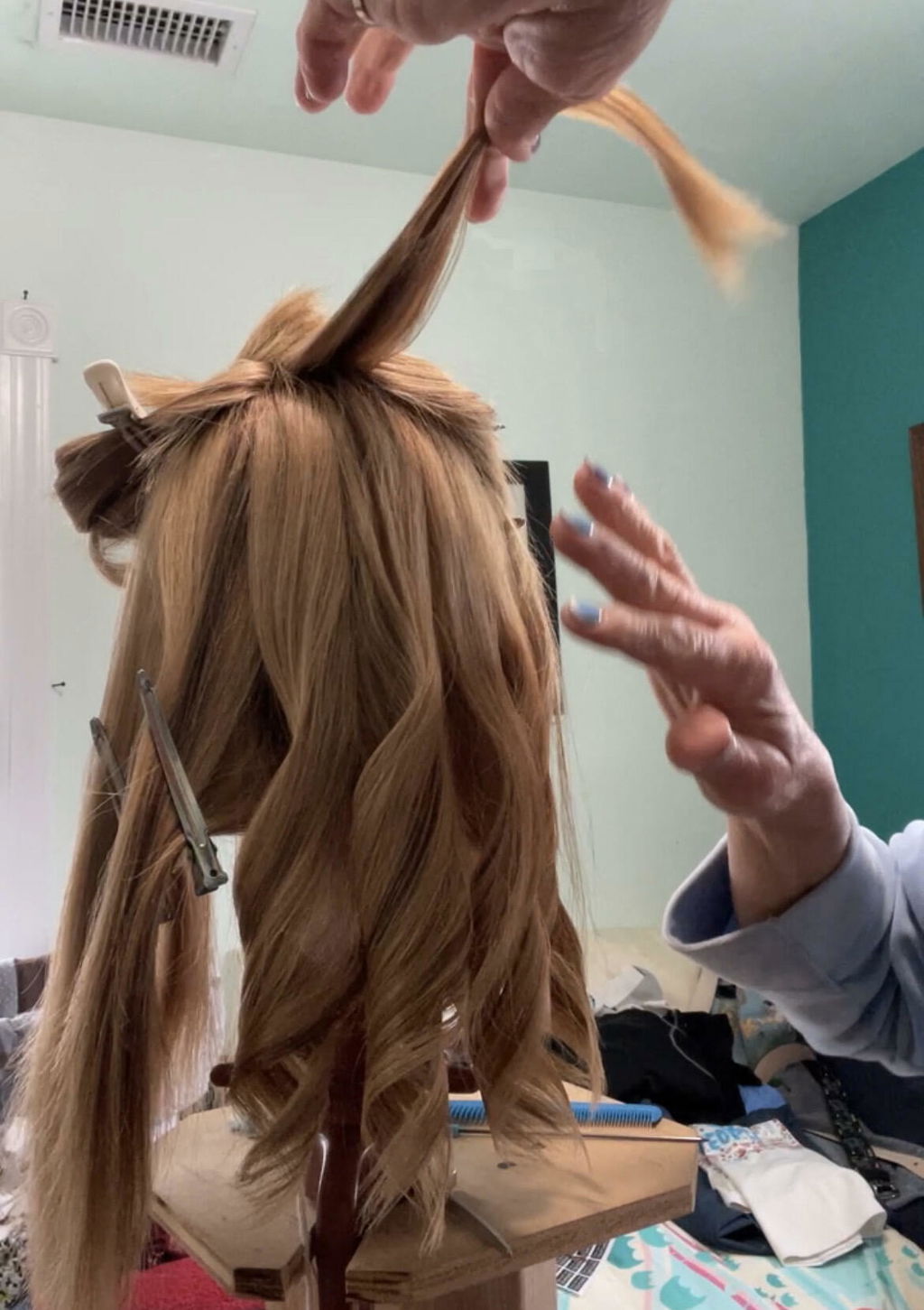
Rest it on a stand: Place your wig on a Wig Stand or Mannequin Head overnight. This helps it keep its shape and style, so it doesn’t get crushed or matted.
-
Add a little moisture: For human hair wigs, a light leave-in conditioner applied while the wig is on its stand helps maintain softness.
-
Make sure it’s fully dry: If you’ve just washed your wig, let it air-dry completely on its stand. A damp wig stored or worn overnight can develop unpleasant odors and mold.

"Before I go to bed, I always make sure to carefully place my wig on a mannequin head," says real-life customer, Mirna. "This little ritual not only helps me keep my wig in perfect shape, but it also feels like I'm giving her the care she deserves. Seeing my wig neatly displayed each morning reminds me that I'm starting my day with a well-maintained, beautiful hairpiece. It's a small step that's made a huge difference in preserving the quality and appearance of my wigs."
Comfortable Alternatives to Sleeping in a Wig
Many women who wear wigs tell us the hardest part of taking their wig off at night is feeling exposed, especially when traveling, sharing a bed or living with family. If that sounds familiar, these comfortable alternatives can help you feel covered, secure and confident while your scalp gets a chance to rest:
-
Silk scarves and wraps: If you’re uncomfortable sharing hair loss with your bedmate, try wrapping a fun patterned silk scarf around your head and channeling your inner Grace Kelly or Audrey Hepburn. Silk reduces friction, helps prevent tangling and matting, and protects your natural hair.
-
Sleep caps and turbans: Soft, breathable sleep caps, chemo beanies and turbans are made for overnight comfort. They come in lots of colors and styles, and they’re a popular choice for women during and post treatment.
-
A silk or satin pillowcase: A silk pillowcase or satin pillowcase helps minimize friction against your natural hair and scalp. It’s softer than cotton and a simple upgrade for your bed.
What If You Need to Sleep in Your Wig?
We understand that life happens. Maybe you’re on a long flight, a hospital stay or a weekend away. If you decide to wear your wig overnight now and then, these tips can help reduce the damage:
-
Never sleep in a wet wig. Make sure your wig is completely dry before bed to avoid mold and odors.
-
Loosen everything up. Unhook internal combs or clips to prevent tension on your scalp. Avoid tight braids or bands, which can damage the cap or cause discomfort.
-
Braid or wrap longer styles. A loose braid or low ponytail helps prevent tangles in longer wigs.
-
Cover it. A silk or satin-lined bonnet protects your hairline and helps keep your wig in place. A wig band can also stop the lace from lifting as you move.
-
Choose your pillow carefully. A silk or satin pillowcase reduces friction on the hair fibers. Sleeping with your head slightly raised on an extra pillow can also limit how much you move.
-
Detangle gently in the morning. Work through any knots slowly with a wide-tooth comb to avoid breakage.
-
Wash more frequently. If you sleep in your wig, plan to wash it 2 to 3 times more often than usual to prevent buildup of sweat and oils.
If you often need to wear a wig to bed, our advice is to talk to one of our consultants. Some wigs are better suited for extended wear than others, and a second wig can help you protect your main piece.
Can you swim in a wig?

Swimming in a wig is a topic that our consultants are often asked about, especially during the summer months. While it is technically possible to swim in a synthetic piece, it's important to proceed with caution if you're wearing a human hair wig. If you're wondering why are human-hair wigs more expensive, it's worth understanding before you invest.
Both pool chlorine and seawater salt can also damage wigs, affecting their color, texture, and overall integrity. And if you've invested in a pricey human hair wig, you could be throwing your money down the drain. Literally.
If your wig does get wet from an unexpected splash, wash it as soon as possible with a gentle, wig-safe shampoo to limit the damage. Some alternative ideas to wearing your wig to swim include:
-
Swim Caps: A high-quality, durable swim cap is a great option. Swim caps can protect your scalp and natural hair from the sun and are a simple, effective solution for swimming.
-
Scarves and Bandanas: Lightweight, quick-drying scarves or bandanas can be stylishly tied around the head. They offer sun protection and a fashionable look, and come in a wide range of colors and patterns so it's easy to match one to your outfit or mood.
-
Synthetic Hairpieces: If you still want the look of hair, consider a low-cost synthetic wig instead of a more expensive human hair wig, especially if yours is a lace front wig, since lace fronts are delicate and human hair wigs should be kept out of chlorinated and salt water altogether. Remember that your natural hair is most fragile when it's wet, so avoid breakage or damage with tight clips.

Daniel Alain customer, Trish, wears our René human hair wig but loves to spend time at her community pool. She explains, “When I swim, I switch my wig out for a swim cap. My neighbors barely recognize me, but I don’t mind who knows I wear a wig! I want to protect my Follea and so far it still looks as good as new!”
DO HUMAN HAIR WIGS NEED DIFFERENT CARE THAN SYNTHETIC WIGS?
Yes. Human hair wigs behave much like your own hair, so they respond to heat, styling, and moisture in similar ways. Synthetic hair, on the other hand, is more limited: it can't always be heat-styled, and how you wash, style, or expose it to water and sun matters more. That's why most of the sleep, swim, and storage guidance in this article is geared toward human hair wigs specifically, since they call for a bit more day-to-day attention to stay looking their best.
How Do You Store a Wig?
Proper storage of your wig is crucial in maintaining its shape, quality, and overall lifespan. How you store your wig when it's not in use can make a significant difference in how well it holds up over time, and with proper care, a quality human hair wig can last anywhere between 2 to 5 years. It's also one of the simplest parts of wig maintenance to get right.
The Importance of Proper Storage

-
Maintaining Shape: Storing your wig correctly helps it retain its original style and shape.
-
Preventing Tangles and Matting: Proper storage reduces the risk of knots and tangles, which can be damaging when brushed out.
-
Protecting from Dust and Moisture: A well-stored wig is less likely to be affected by environmental factors like dust and humidity.
Daniel Alain customer, Kelly, started wearing our Style wig four years ago and now has multiple pieces she has to store. “I have a storage unit I use,” she explains. “It’s a mirror that spins, and on the back is space for every wig. When people come over and get a tour of my house, I always show them off proudly!”
While you might not have the space (or the wigs!) for a dedicated cabinet like Kelly, some other wig storage options include:
- Wig Stands: These are ideal for maintaining the shape of the wig and are great for short-term storage or for wigs that are used frequently. They come in various materials like plastic, metal, or foam.
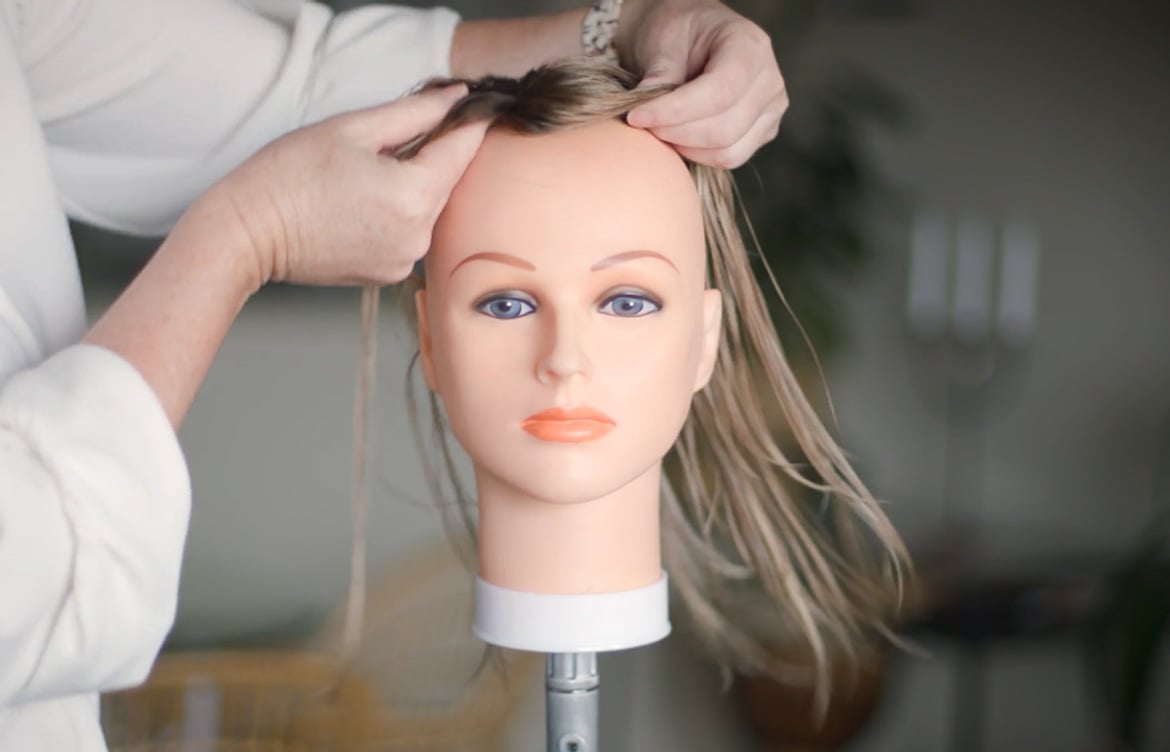
- Mannequin Heads: Similar to wig stands but offer a more realistic shape, which helps maintain the style of the wig. They can be made of styrofoam, canvas, or even more lifelike materials.
- Wig Boxes: Specially designed wig boxes are excellent for long-term storage, particularly for travel. They protect the wig from dust, moisture, and being crushed.
- Silk or Satin Bags: Soft silk or satin bags are gentle on the wig fibers and are good for preventing tangles and frizz, especially for curly or textured wigs.
- Cabinet or Drawer: A clean, dry cabinet or drawer can be a simple and effective storage solution, especially when laying the wig on a soft, silk or satin surface.
What should I do if I have more questions about wearing wigs?
Navigating the world of wig-wearing can sometimes feel daunting, especially when you’re trying to find answers to specific questions that concern your daily experience.
Through this article, we've explored several key aspects of wig-wearing that are essential for both new and experienced wig users.
However, we understand that each wig wearer's situation is unique, and you might have more questions related to your specific circumstances. Whether you're new to wigs because of cancer treatment, alopecia, or simply love the versatility they offer, our consultants are here to help.
Don't hesitate to reach out to one of our consultants. Our team is dedicated to helping you navigate your wig-wearing journey and can provide tailored solutions and support to address all your concerns.


 Call Us
 Showroom