What is the Most Comfortable Type of Wig to Wear?

You’ve found a wig you love. The color is perfect, the style suits you, and for the first time in a while, you feel like yourself again. Then the itching starts. Or the wig feels hot and heavy by lunchtime. Or you spend the whole day worrying that it’s slipping.
If that sounds familiar, you’re not alone, and it isn’t something you have to put up with. Whether you’re new to hair loss or you’ve worn wigs for years, you deserve a wig that feels as good as it looks.
Quick answer: The most comfortable wig to wear is a 100% hand-tied human hair wig with a lace front. Hand-tied wigs are made by tying each strand of hair by hand to a soft, stretchy cap. That makes them lightweight and breathable, and they mold to the shape of your head. The soft cap is gentle on a sensitive scalp, and the lace front creates a natural-looking hairline. The right fit matters just as much: even a beautifully made wig won’t feel comfortable if it’s the wrong size.
At Daniel Alain, we’ve spent decades perfecting comfortable wigs for women experiencing hair loss. Below, our experts walk you through everything that affects how a wig feels: cap construction, cap material, fit and hair type, including how human hair wigs compare with synthetic wigs. We’ll also share some of the most comfortable styles from our Follea collection, plus simple tips to make any wig more comfortable for everyday wear.

Human Hair Wigs vs. Synthetic Wigs: Which Is More Comfortable?
When you start shopping for a wig, one of the first choices you’ll make is between human hair and synthetic hair. Both have their place, but when it comes to comfort, human hair wigs are usually the more comfortable choice, especially for everyday wear or if you have a sensitive scalp.
What Are Synthetic Wigs Made Of?
Synthetic wigs are made from man-made fibers like nylon, acrylic or plastic. These materials are inexpensive and easy to dye, which is why synthetic wigs are affordable and come in almost any color. Some women also choose them because the hair itself can feel light.
The trade-off is usually comfort. Most synthetic wigs are machine-wefted, which means the hair is sewn onto strips of fabric by an industrial machine and mass-produced. That construction can make them:
-
Hot and itchy: Machine-sewn wefts limit airflow, so heat and sweat get trapped against your scalp. Synthetic fibers can also irritate sensitive skin.
-
Prone to shedding: Machine construction can lead to shedding, which makes the wig look thinner and less natural over time.
-
Rough to the touch: Synthetic hair doesn’t have the same softness or movement as real hair, so it can be harder to get a realistic, natural look.
Why Human Hair Wigs Feel More Comfortable
High-quality human hair wigs are made with real hair, so they look, feel and move like your own hair. The most comfortable ones are made with premium Remy human hair, which keeps the hair’s cuticle intact for extra softness and shine. They’re also crafted with breathable materials and lighter construction that are kinder to your scalp.
Here’s what makes a well-made human hair wig more comfortable:
-
A lace front: A soft, sheer lace front, like premium Swiss lace, blends with your skin and mimics a natural hairline. It feels light against your forehead, too.
-
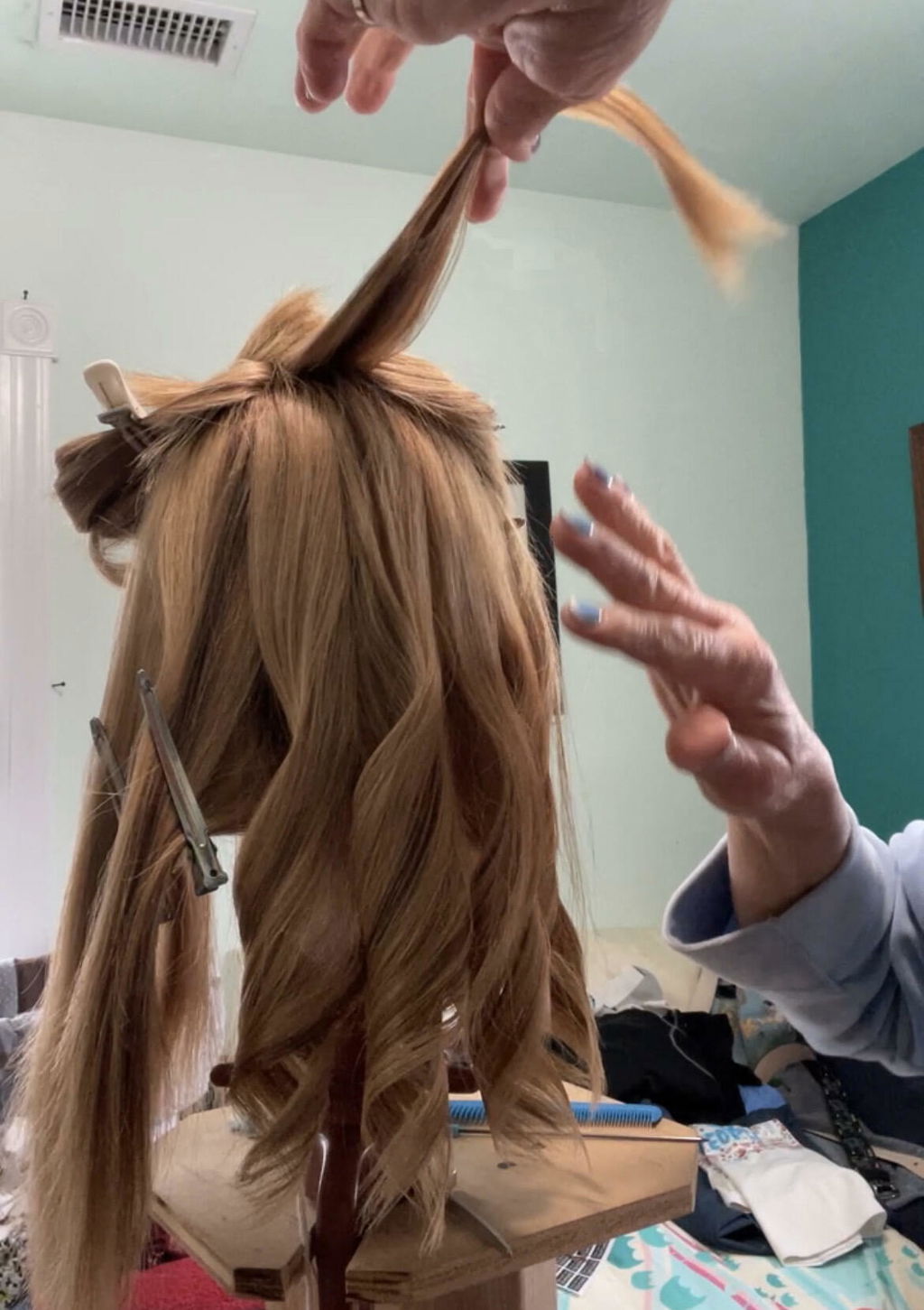
Hand-tied construction: Each strand is tied by hand to a soft cap, so the wig feels lightweight and lets your scalp breathe. The hair can also be parted in any direction, just like natural hair.
-
A soft cap: Skin-like or lace-like cap materials are gentle on your scalp and help reduce irritation and itching.
-
Soft, versatile hair: Human hair feels silky to the touch, and you can style the hair with heat tools to suit your look and lifestyle.
Premium materials and hand craftsmanship do come at a higher price. But if you wear a wig every day, the comfort and confidence they give you are often worth the investment. That’s exactly why every wig in Daniel Alain’s Follea collection is made this way.
Daniel Alain’s Comfortable Human Hair Wigs
How comfortable a wig feels comes down to a few things: the type of hair, the cap material, how the cap is made and how the front is finished. If you get them right, a wig feels lightweight and breathable. If you get them wrong, it can feel heavy, hot and itchy.
That’s why the details matter. Some wigs are made with human hair but use cheaper cap materials or machine construction, which can still lead to sweat, irritation and discomfort.
Every wig in our Follea by Daniel Alain collection is made with top-quality human hair, available in a range of hair grades to suit different needs and budgets. Our artisans sort and select the hair, blend each color by hand and check every wig for quality at each step, and each one can take up to a month to make. Many of our styles are 100% hand-tied, with each strand tied to a soft cap one knot at a time. This gives a snug, breathable fit that molds to the shape of your head and is gentle on a sensitive scalp.
Here are some of our most comfortable styles.
GRANDEUR WIG

Grandeur is made with our rarest, most exquisite European hair. At 16 inches, it’s long, soft and silky, and it moves naturally. Long wigs can feel heavy, but Grandeur’s hand-tied construction keeps it lightweight and breathable. Its lace front gives you a realistic hairline, so you can wear it with confidence all day.
CHIC WIG

We often think about the stylish French when we hear the word “chic.” And we channel that French flair and sophistication with our Chic wig.
With a true French top, Chic’s cap integrates seamlessly on your head, giving the illusion of a genuine scalp. It’s also double-lined, with a lace-like fabric that feels utterly smooth and comfortable.
STYLE WIG

Style is made with 100% European human ponytail hair, a lace-front hairline, a faux skin top, and 100% hand-tied construction. These collection-specific features can help you compare fit, movement, and styling options.
“This wig just goes where it’s supposed to, no pulling it this way or that, no realizing your doggone wig is crooked. The hair is stunning.” ~ happy customer M. Terese gushes about the Style experience.
PIXIE WIG

If you want a wig that feels as light as possible, Pixie is a great option. Its short 5-inch length means less weight on your head and no hair on your neck or shoulders, which keeps you cool on warm days. Each strand is hand-tied, so the cap feels soft and breathable against your scalp. It’s an easy, polished look for everyday wear.
RENÉ WIG

If you love big, full hair, René is our most voluminous wig. Its back is machine-wefted, which gives it extra lift and body, and that makes it a little heavier than our 100% hand-tied styles. Its lace front still gives you a soft, natural-looking hairline, and its premium World Select human hair feels silky and light. René is a great option if volume matters most to you and you still want a comfortable wig to wear.
GRIPPER ACTIF WIG

For many women with alopecia totalis or complete hair loss, comfort is about more than how a wig feels. It’s also about knowing your wig will stay in place. Worrying that your wig might slip can be exhausting.
Gripper Actif is designed to give you that security. A medical-grade silicone perimeter grips gently to your scalp, so the wig stays put without clips, tape, or glue. That makes it a comfortable, secure choice for an active lifestyle, whether you’re running errands all day or playing a game of tennis.
GRIPPER LITE WIG

The first in our Gripper series — luxurious, secure, comfortable wigs for women with total hair loss. Its light cap and medical-grade silicone perimeter join to create the epitome of comfort and maximum hold.
“This wig is with me on all of my everyday adventures, such as school and parties…I can actually do cartwheels and handstands without it falling off, which is amazing.” ~ customer's review
How to Make Your Wig More Comfortable
A beautiful color and cut won’t make up for a wig that feels uncomfortable. These are the details that make the biggest difference.
Choose the Right Cap Construction
The cap is the part of the wig that touches your scalp, so it has the biggest effect on comfort.
-
100% hand-tied caps are often called the gold standard of comfort. They’re lightweight, mold to the shape of your head and have a soft base that won’t poke or irritate your skin.
-
Monofilament wigs have a soft, breathable top that lets air flow and is gentle on a sensitive scalp. Double monofilament caps add an inner layer that protects your scalp from friction.
-
Lace front wigs give you a natural-looking hairline and feel light enough for everyday wear.
-
Basic or open caps and capless wigs allow the most airflow, which helps in warm climates. They aren’t as soft as hand-tied caps, though.
-
Glueless wigs and half wigs can also be comfortable options. Glueless wigs don’t need any adhesive, and half wigs let you wear your own hair at the front.
Look for Soft Details
Soft, stretchy cap materials are much gentler on sensitive skin, especially if you wear your wig all day. Velvet ear tabs and nape areas help prevent rubbing, and breathable materials keep you cool by helping regulate temperature.
Get the Right Fit
A wig that’s too tight can cause pressure and headaches, and one that’s too loose can slip. To find your size, measure around your head along your hairline, behind your ears and across the nape of your neck. Many wigs have adjustable straps or Velcro tabs so you can fine-tune the fit. For extra security, a silicone wig grip helps hold your wig in place without clips or glue.
Care for Your Wig
Gentle, regular care keeps your wig soft and comfortable for longer. For hand-tied wigs, we recommend washing every 7 to 10 days, depending on how often you wear it.
Find Your Most Comfortable Wig with Daniel Alain
Our consultants can help you find the right cap, hair and fit for your lifestyle, so you can wear your wig with comfort and confidence every day.
So, Which Wig Is Most Comfortable for You?
The most comfortable wig is one that suits your scalp, your hair loss and your lifestyle. For most women, that means a hand-tied human hair wig with a soft, breathable cap and a lace front, in a size that fits snugly without feeling tight. If you have a sensitive scalp, live somewhere warm or need extra security, small details like a monofilament top, a wig liner or a silicone grip can make a big difference.
Everyone’s needs are different, and you don’t have to figure it out on your own. Our expert consultants can help you compare cap styles, hair grades and fits to find the wig that feels right for you.

Frequently Asked Questions
Can You Tell if Someone is Wearing a Wig?
It can be difficult to tell when a wig is well-fitted and styled. Features such as a lace-front hairline, natural-looking density, and a cap that fits the wearer can help create a more natural appearance, though results vary by the piece and how it is worn.
What is the Most Comfortable Wig to Wear?
Daniel Alain offers collection-specific wigs with varying materials, construction, and fit options to help wearers compare what may feel comfortable for them.
What is the Most Comfortable Wig Construction?
Some wearers find hand-tied construction more comfortable because individual knots can create a lighter, more breathable cap feel. Compared with a fully wefted wig, it may help reduce heat buildup and tightness for some wearers.
How Do You Make Wearing a Wig More Comfortable?
Start with a cap that fits properly, adjust it according to its instructions, and keep any natural hair flat beneath it. If the wig feels tight, itchy, or unstable, pause and adjust the fit or ask a wig professional for help.
What Type of Wig is Most Comfortable? (human hair)
Some wearers may find a human-hair wig with hand-tied construction more comfortable, depending on fit, cap materials, and personal preferences.
What is the Most Comfortable Cap Wig? (lace front)
Lace-front caps may feel soft along the hairline and can help create a natural-looking hairline. Comfort and security depend on the specific cap, fit, and wearer preferences.
Are Lace Front Wigs Comfortable?
Some wearers find lace-front wigs comfortable because they can offer a lightweight, breathable construction; fit and cap materials also matter.
Are Full Front Wigs Comfortable?
Full lace wigs are lightweight, offering more comfort than polyurethane and monofilament wigs.
What Can Make a Wig Uncomfortable to Wear?
Machine-wefted construction, low-quality synthetic hair, limited sizing, and non-lace fronts aren’t characteristic of comfortable wigs.
Are Wigs Comfortable to Wear in the Summer?
All wigs will feel a little hot during the summer. However, low-quality synthetic and machine-wefted wigs feel heavier and have limited airflow, making them the most uncomfortable wigs for the summer. A better option is human hair wigs with lace fronts, which tend to be more lightweight and breathable.
Are Synthetic Wigs Comfortable?
Some women find synthetic wigs comfortable at first because the fibers are lighter than human hair. But that lightness usually comes at the cost of breathability, synthetic caps trap heat and moisture, which is why high-quality, hand-tied human hair wigs tend to feel more comfortable over a full day of wear.
Is it OK to Wear a Wig Every Day?
Yes, it’s certainly OK to wear a wig every day. However, a low-quality synthetic wig might feel itchy or uncomfortable with daily wear.
Do Wigs Itch?
Wigs with low-quality hair, fabrics, and caps might cause scalp allergies and consequent itching. Moreover, wigs with limited sizing that don’t fit properly might irritate your scalp.
Are Wigs Comfortable to Wear with Alopecia?
Yes, women with alopecia may feel secure and confident with a high-quality human hair wig.
Female pattern hair loss is a common cause of hair thinning in women and is more common after menopause. Because different conditions can look similar, a qualified healthcare professional can help identify the cause of unexplained hair changes.
Who Makes the Most Comfortable Wigs?
Daniel Alain offers wigs with collection-specific human hair, cap construction, lace-front options, and size ranges to help wearers compare fit and comfort features.
What Are the Different Types of Human Hair Wigs?
Human hair wigs are made with European, Indian, or Asian (usually Chinese) hair.
European Hair
European hair is the epitome of luxury in the wig industry. Often from Eastern European countries like Romania and Russia, European hair is fine, delicate, silky, and radiant. Moreover, European human hair is often higher-quality because of its pure sourcing (Remy or virgin hair, more on that later).
Most wigs made with European human hair cost more since the hair is so rare and elusive, but it’s worth it.
Indian Hair
Indian hair is resiliently strong, often harder to break or damage than other hair types. You’ll usually see straight or wavy hair on Indian women, in a piercing jet black color.
That natural strength doesn't always carry through to the finished wig, though — Indian hair on the wig market is often chemically stripped and re-dyed during processing, which can shorten its lifespan compared to less-processed European hair.
Asian Hair
Asian hair refers primarily to Chinese hair, as well as hair from Indonesia, Bangladesh, Thailand, and Cambodia. Like Indian hair, Asian hair is incredibly durable and stretches further without breaking than European hair.
Virgin Hair
Virgin hair is untouched, specifically pristine and unspoiled by hair dye and harsh hair treatments. You’ll be hard-pressed to find virgin hair on the wig market; be wary of any provider that claims virgin hair without supplying proof of its origins.
Remy Hair
Remy hair is one of the highest quality wig hair types you can find. This hair is sourced with the cuticle still intact, as it’s hair collected from ponytail donors. Daniel Alain’s private reserve of premium European hair is the world’s highest-quality Remy hair.
Download our wig buying guide

 Call Us
 Showroom